This site uses third-party website tracking technologies to provide and continually improve our services, and to display advertisements according to users' interests. I agree and may revoke or change my consent at any time with effect for the future.
Shadow IT—the use of unauthorized applications, services, or hardware within an organization—presents significant security, compliance, and financial risks to modern businesses. As an IT director, gaining visibility into these unsanctioned technologies is crucial for maintaining control of your digital environment. This comprehensive guide walks you through conducting a thorough shadow IT assessment to identify, evaluate, and manage unauthorized technology in your organization.
Planning Your Shadow IT Assessment
The foundation of any effective shadow IT assessment lies in careful planning. Without a well-structured approach, you risk missing critical shadow IT instances or creating unnecessary disruption to business operations.
Defining Clear Assessment Objectives
Before diving into technical discovery methods, establish precisely what you aim to achieve with your shadow IT assessment. This clarity ensures your team stays focused and resources are allocated efficiently.
Your objectives should be specific, measurable, and aligned with broader organizational goals. Common shadow IT assessment objectives include:
Comprehensive discovery: Identifying all unauthorized applications, cloud services, and hardware devices across the organization
Risk evaluation: Assessing the security, compliance, and operational risks posed by each shadow IT instance
Cost analysis: Calculating the financial impact of redundant subscriptions and inefficient technology use
Policy enhancement: Gathering insights to improve IT governance policies and procedures
User experience improvement: Understanding why employees seek alternative solutions to approved technologies
For example, rather than simply stating "find shadow IT," a more effective objective would be: "Identify all unauthorized SaaS applications with access to customer data and assess their compliance with our security standards."
Pro tip: Document your assessment objectives in a project charter that can be shared with stakeholders to ensure alignment and secure necessary support.
Securing Executive Buy-in and Stakeholder Support
Shadow IT assessments require cooperation across multiple departments and may temporarily impact productivity. Securing executive sponsorship is therefore critical to success.
When approaching executives for support:
Frame the assessment in terms of business risk and opportunity, not just IT compliance
Provide specific examples of shadow IT risks relevant to your industry (data breaches, compliance violations, wasted spending)
Quantify potential cost savings from consolidating redundant applications
Emphasize that the goal is not to punish users but to improve security and efficiency
Once you have executive buy-in, identify key stakeholders from departments likely to have shadow IT, including:
Finance
Marketing
Sales
Human Resources
Operations
Research & Development
Engage these stakeholders early to explain the assessment's purpose, address concerns, and gain their cooperation. This collaborative approach significantly reduces resistance and improves assessment accuracy.
Establishing a Realistic Timeline and Resource Allocation
Shadow IT assessments require careful planning to minimize business disruption while ensuring thoroughness. Based on our experience with hundreds of enterprise clients, we recommend allocating:
Discovery phase: 2-4 weeks, depending on organization size
Analysis phase: 1-2 weeks
Reporting and recommendations: 1 week
Policy development and remediation planning: 2-3 weeks
Key takeaway: Rushing a shadow IT assessment often results in incomplete discovery and superficial analysis. Allocate sufficient time and resources to conduct a thorough assessment that provides actionable insights.
Identifying Shadow IT Assets
With planning complete, the next phase involves actively discovering shadow IT assets throughout your organization. This requires a multi-faceted approach combining technical methods with organizational investigation.
Technical Discovery Methods
Technical discovery forms the backbone of any shadow IT assessment, providing objective evidence of unauthorized technology use. Effective technical discovery combines multiple methods to create a comprehensive picture.
Network Traffic Analysis
Network traffic analysis involves monitoring data flows to identify connections to unauthorized services and applications. This approach is particularly effective for discovering cloud-based shadow IT.
To implement network traffic analysis:
Deploy network monitoring tools at key network egress points
Collect and analyze DNS requests, IP connections, and data transfer patterns
Look for connections to known SaaS providers not in your approved catalog
Monitor for unusual traffic patterns or volumes that might indicate shadow IT use
Tools to consider: Next-generation firewalls with application visibility (Palo Alto, Fortinet), dedicated network monitoring solutions (Wireshark, SolarWinds), or specialized shadow IT discovery platforms (Netskope, Zscaler).
Pro tip: Configure monitoring to categorize traffic by business unit or department to identify hotspots of shadow IT activity.
Endpoint Scanning and Inventory
While network analysis captures cloud-based shadow IT, endpoint scanning identifies unauthorized software installed directly on devices.
Effective endpoint scanning involves:
Deploying inventory management tools across all corporate devices
Conducting regular automated scans for installed applications
Comparing discovered applications against your approved software catalog
Identifying unauthorized browser extensions and plugins that may access corporate data
Real-world insight: In our work with enterprise clients, endpoint scanning typically discovers 15-25% of shadow IT that network monitoring misses, particularly locally installed tools and utilities.
For comprehensive results, ensure your endpoint scanning covers:
CASBs provide visibility into cloud service usage across your organization, acting as security policy enforcement points between users and cloud services.
When implementing a CASB for shadow IT discovery:
Deploy the CASB in monitor-only mode initially to establish baseline usage patterns
Enable API connections to sanctioned cloud services for deeper visibility
Configure the CASB to identify high-risk shadow IT based on data sensitivity and compliance requirements
Collect usage metrics to understand adoption patterns and user needs
Key advantage: CASBs not only identify shadow IT but also provide risk ratings and compliance information, accelerating your analysis phase.
Non-Technical Discovery Approaches
While technical methods form the foundation of shadow IT discovery, non-technical approaches provide crucial context and often reveal shadow IT that technical methods miss.
Financial and Procurement Record Analysis
Financial records often reveal shadow IT through unauthorized or unusual purchases. Working with your finance department, analyze:
Credit card statements for recurring SaaS subscriptions
Expense reports for technology-related reimbursements
Purchase orders for hardware or software not processed through IT
Vendor invoices for services not in your official catalog
Look for patterns such as:
Multiple small subscriptions to the same vendor across different departments
Technology purchases classified as office supplies or miscellaneous expenses
Reimbursements for personal accounts used for business purposes
User Surveys and Interviews
Direct engagement with employees often reveals shadow IT that technical methods miss, particularly when users access services from personal devices or accounts.
When conducting user surveys:
Emphasize that the goal is improvement, not punishment
Guarantee anonymity to encourage honest responses
Ask specific questions about tools used for common tasks
Inquire about pain points with approved solutions that might drive shadow IT adoption
Effective survey questions include:
"What tools do you use to collaborate with external partners?"
"How do you share large files when email attachments aren't sufficient?"
"What applications do you use on your personal device for work purposes?"
"Which work tasks require you to use workarounds or alternative tools?"
Follow surveys with targeted interviews to gain deeper insights into shadow IT usage patterns and motivations.
Departmental Workshops and Amnesty Programs
Departmental workshops bring together teams to discuss their technology needs and current solutions in a collaborative environment.
Structure these workshops to:
Review common workflows and pain points
Identify tools used at each stage of key processes
Discuss challenges with approved solutions
Explore alternative approaches that meet both user needs and security requirements
Amnesty programs can be particularly effective, allowing departments to disclose shadow IT without fear of repercussion during a defined period. This approach typically reveals 30-40% more shadow IT than technical methods alone.
Key takeaway: The most comprehensive shadow IT assessments combine technical discovery with human intelligence gathering to create a complete picture of unauthorized technology use.
Analyzing and Categorizing Shadow IT
Once you've identified shadow IT assets, the next critical step is analyzing and categorizing them to prioritize remediation efforts and inform policy decisions.
Risk Assessment Framework
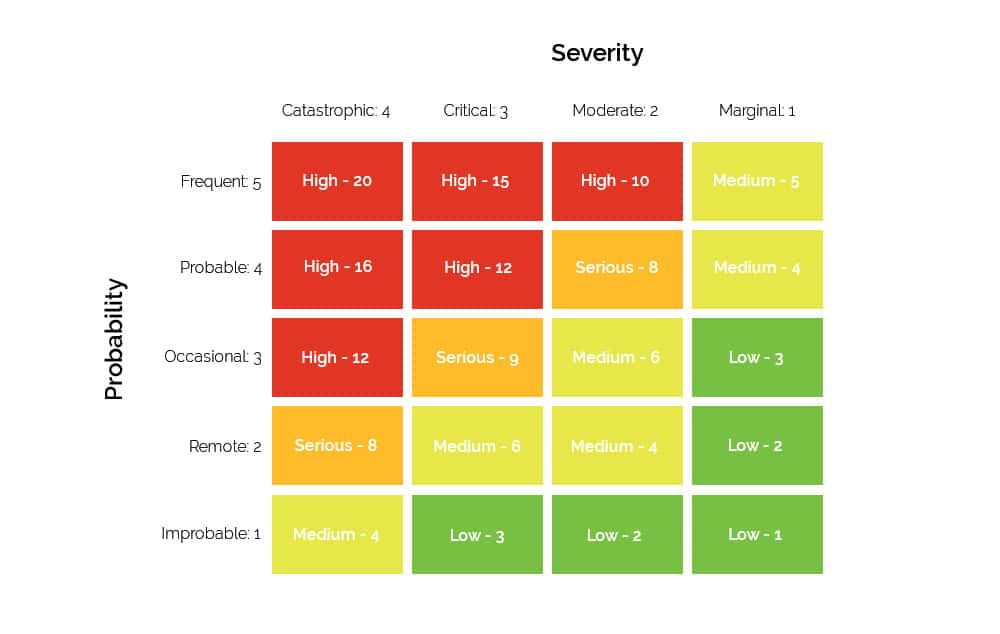
Not all shadow IT presents equal risk. Implementing a structured risk assessment framework helps prioritize your response based on potential business impact.
Security Risk Evaluation
Security risks from shadow IT stem from unauthorized access, data leakage, and inadequate security controls. Evaluate each shadow IT asset for:
Data sensitivity: What type of data is being processed or stored? (Personal, financial, intellectual property, etc.)
Authentication mechanisms: Does the solution support SSO, MFA, or strong password policies?
Encryption practices: Is data encrypted in transit and at rest?
Vendor security posture: Has the vendor undergone security certifications or audits?
Integration security: How does the solution connect to other systems?
Practical approach: Create a scoring matrix (1-5) for each security dimension, then calculate a weighted average based on your organization's specific risk profile.
Real-world insight: Our analysis shows that 60% of shadow IT security incidents involve data exposure through misconfigured permissions rather than direct breaches, highlighting the importance of evaluating default security settings.
Compliance Impact Analysis
Shadow IT often creates significant compliance blind spots. Assess each discovered asset against relevant regulatory frameworks:
GDPR/CCPA: Does the solution process personal data? Is there a data processing agreement?
HIPAA: Does it handle protected health information?
PCI DSS: Does it store or process payment information?
Industry-specific regulations: Financial services, healthcare, and government have additional requirements
Document whether each solution:
Maintains required audit logs
Supports data retention/deletion policies
Provides necessary compliance documentation
Allows for required oversight and monitoring
Pro tip: Create a compliance requirements checklist specific to your industry and use it to score each shadow IT asset.
Operational Dependency Evaluation
Some shadow IT becomes deeply embedded in critical business processes, making immediate removal disruptive. Assess:
Business criticality: Which core processes depend on this solution?
User adoption: How many employees use it and how frequently?
Data volume: How much corporate data resides in the system?
Integration depth: How extensively does it connect with other systems?
Alternatives: Are approved solutions available that provide similar functionality?
Business Value Assessment
While risk assessment identifies potential negative impacts, business value assessment helps identify shadow IT worth retaining or officially adopting.
Functionality Gap Analysis
Shadow IT often emerges to fill functionality gaps in approved solutions. For each discovered asset:
Document the specific capabilities users value
Compare these capabilities to existing approved solutions
Identify functionality gaps driving shadow IT adoption
Assess whether these capabilities deliver genuine business value
Key insight: Our analysis of enterprise shadow IT shows that 70% emerges from legitimate business needs not met by approved solutions, rather than user preference or convenience.
Create a capability matrix comparing shadow IT solutions with approved alternatives to visualize functionality gaps and overlaps.
Cost-Benefit Evaluation
Evaluate the financial implications of each shadow IT instance:
Direct costs: Subscription fees, maintenance, support costs
Quantify where possible: "Department X's shadow CRM solution costs $15,000 annually but saves an estimated 250 work hours per month in manual data entry compared to our approved system."
Pro tip: Include opportunity costs in your analysis—what business capabilities are enabled by shadow IT that would otherwise be unavailable?
User Satisfaction and Adoption Metrics
High user satisfaction and adoption often indicate shadow IT that addresses real business needs:
Conduct satisfaction surveys comparing shadow and approved solutions
Measure adoption rates and usage patterns
Gather qualitative feedback on pain points and benefits
Assess training and support requirements
Key metric: The "shadow IT satisfaction gap"—the difference in user satisfaction scores between shadow IT and corresponding approved solutions—helps identify where official tools are falling short.
Categorization and Prioritization
With risk and value assessments complete, categorize each shadow IT asset to guide your response strategy.
Risk-Value Matrix Mapping
Plot each shadow IT asset on a risk-value matrix with four quadrants:
High risk, low value: Prime candidates for immediate removal
High risk, high value: Require risk mitigation or replacement with secure alternatives
Low risk, low value: Can be addressed gradually or consolidated
Low risk, high value: Potential candidates for official adoption
This visual approach helps communicate priorities to stakeholders and focus remediation efforts where they'll have the greatest impact.
Real-world example: A financial services client used this matrix to prioritize 87 shadow IT applications, immediately addressing 23 high-risk/low-value solutions while beginning formal evaluation of 18 low-risk/high-value tools for potential adoption.
Remediation Priority Assignment
Assign specific remediation priorities based on:
Overall risk score
Business criticality
Remediation complexity
Available resources
Organizational impact
Create a tiered approach:
Priority 1: Immediate action required (30 days)
Priority 2: Short-term remediation (90 days)
Priority 3: Medium-term planning (180 days)
Priority 4: Long-term consideration (12 months)
Key takeaway: Effective prioritization balances risk mitigation with business continuity and resource constraints.
Developing Remediation Strategies
With shadow IT assets identified, analyzed, and prioritized, the next step is developing targeted remediation strategies that balance security requirements with business needs.
Containment and Risk Mitigation
For high-risk shadow IT that can't be immediately eliminated, implement containment strategies to reduce exposure while planning longer-term solutions.
Immediate Security Controls
When shadow IT must remain operational in the short term, apply tactical security controls to reduce risk:
Implement conditional access policies to restrict access to approved devices and networks
Enforce multi-factor authentication where available
Deploy data loss prevention (DLP) controls to prevent sensitive data exposure
Configure network segmentation to isolate high-risk applications
Implement enhanced monitoring and logging
Data Migration and Protection
Shadow IT often contains valuable business data that must be protected and potentially migrated:
Inventory all data stored in shadow IT systems
Classify data according to sensitivity and business value
Implement backup procedures for critical information
Develop data migration plans for approved alternatives
Establish data retention and destruction policies
Key consideration: Data migration often represents the most complex aspect of shadow IT remediation. Allocate sufficient time and resources to ensure data integrity and continuity.
For complex migrations, consider a phased approach:
Phase 1: Read-only access to historical data in the shadow system
Phase 2: Parallel operation with data synchronization
Real-world insight: Our analysis shows that approximately 15-20% of shadow IT solutions ultimately pass security review and become officially adopted, particularly in collaboration and productivity categories.
Procurement and Licensing Optimization
Formalizing shadow IT often reveals opportunities for cost optimization:
Consolidate multiple departmental subscriptions into enterprise agreements
Negotiate improved terms based on actual usage patterns
Ensure appropriate licensing for business use
Implement proper procurement processes for renewals
Establish ownership and budget allocation
Pro tip: Use the shadow IT assessment as leverage in vendor negotiations: "We've identified 250 users already using your platform. We're prepared to formalize this relationship if you can provide enterprise terms and security controls."
User Training and Change Management
Successfully transitioning from shadow to sanctioned IT requires effective change management:
Develop clear communication explaining the transition rationale
Provide comprehensive training on newly approved tools
Create migration guides and support resources
Establish feedback channels to address concerns
Recognize and involve power users from the shadow IT environment
Effective approach: Implement a "champion" program where enthusiastic users of the formerly shadow solution become advocates and trainers for the officially adopted version.
Key metric: Monitor adoption rates and satisfaction scores during the transition to identify and address potential issues before they lead to new shadow IT.
Policy and Governance Enhancements
Shadow IT assessments often reveal systemic issues that require policy and governance improvements to prevent recurrence.
IT Policy Updates and Communication
Update IT policies to address gaps identified during your assessment:
Clarify approval processes for new technology
Define acceptable use guidelines for cloud services
Establish data handling requirements for third-party solutions
Create exception processes for legitimate business needs
Implement consequences for policy violations
Best practice: Focus on clarity and accessibility rather than length and complexity. Policies should guide behavior, not just establish compliance requirements.
Effective policy communication strategies include:
Interactive training sessions rather than static documents
Real-world examples of proper and improper technology adoption
Clear explanations of the "why" behind restrictions
Simple decision trees to guide technology choices
Streamlined Technology Approval Processes
Lengthy or cumbersome approval processes often drive shadow IT adoption. Implement streamlined approaches:
Create a tiered approval framework based on risk and data sensitivity
Establish service level agreements for technology requests
Implement a self-service catalog for pre-approved solutions
Develop fast-track processes for low-risk technologies
Create a "sandbox" environment for testing and evaluation
Real-world impact: An enterprise client reduced shadow IT instances by 64% after implementing a tiered approval process that delivered decisions on low-risk requests within 48 hours.
Pro tip: Regularly review denied requests to identify patterns indicating unmet business needs that might be driving shadow IT adoption.
Ongoing Monitoring and Compliance Verification
Implement continuous monitoring to prevent shadow IT recurrence:
Schedule regular network and endpoint scans
Conduct periodic financial reviews for unauthorized purchases
Implement automated alerts for new cloud service connections
Establish quarterly shadow IT reviews with department leaders
Create anonymous reporting channels for policy exceptions
Key metric: Track your "shadow IT discovery rate" over time—the percentage of new technology implementations discovered through monitoring versus through proper channels.
Governance model: Consider establishing a Technology Governance Committee with representatives from IT, security, business units, and legal to evaluate new technology requests and review shadow IT trends.
Implementing Your Shadow IT Assessment Findings
The final phase transforms assessment findings into concrete actions that improve your organization's security posture and technology governance.
Creating a Comprehensive Remediation Roadmap
Transform your prioritized findings into a structured implementation plan with clear timelines, responsibilities, and success metrics.
Phased Implementation Planning
Develop a phased approach to remediation that balances risk reduction with operational impact:
Implement immediate security controls for high-risk shadow IT
Remove clearly unauthorized and high-risk/low-value solutions
Begin formal evaluation of high-value shadow IT candidates
Phase 2 (31-90 days): Address structural issues
Implement policy and governance improvements
Deploy enhanced monitoring capabilities
Begin consolidation of redundant shadow solutions
Complete security reviews for potential adoption candidates
Phase 3 (91-180 days): Long-term improvements
Complete data migration from deprecated shadow IT
Formalize adopted solutions with proper contracts and controls
Implement training and awareness programs
Establish ongoing governance processes
Pro tip: Create a visual timeline with clear dependencies to help stakeholders understand the remediation journey and their role in it.
Resource Allocation and Responsibility Assignment
Clearly define roles and responsibilities for remediation activities:
Assign executive sponsors for major initiatives
Identify project owners for each workstream
Allocate necessary technical resources
Establish clear decision-making authority
Define escalation paths for challenges
Use a RACI matrix (Responsible, Accountable, Consulted, Informed) to clarify involvement:
Example RACI for shadow IT remediation:
IT Security: Responsible for risk assessment and security controls
Department Leaders: Accountable for user adoption and business continuity
Legal/Compliance: Consulted on regulatory requirements
End Users: Informed of changes and provided with training
Resource consideration: Remediation often requires temporary increases in IT support capacity. Plan for a 15-25% increase in help desk volume during major transitions from shadow to sanctioned IT.
Success Metrics and Reporting Framework
Establish clear metrics to track remediation progress and effectiveness:
Risk reduction metrics:
Percentage of high-risk shadow IT remediated
Reduction in unauthorized data storage
Compliance improvement scores
Process improvement metrics:
Technology request response times
User satisfaction with IT services
Shadow IT recurrence rates
Business impact metrics:
Productivity impacts during transitions
Cost savings from consolidation
Improved capability adoption
Reporting cadence: Implement weekly updates during active remediation, transitioning to monthly and then quarterly as the program matures.
Visualization approach: Create a dashboard showing progress against baseline metrics established during your initial assessment.
Stakeholder Communication and Training
Effective communication is critical to successful shadow IT remediation and prevention.
Executive Reporting and Updates
Keep executive leadership informed with concise, impact-focused updates:
Provide a summary of key findings and actions
Highlight risk reduction achievements
Report on business impact and cost implications
Identify resource needs and constraints
Present recommendations for strategic improvements
Effective approach: Create a one-page executive dashboard with visual indicators of progress and key metrics, supported by more detailed documentation for those who require it.
Key components to include:
Risk exposure trends
Remediation milestone status
Resource utilization
Budget impact
Strategic recommendations
Department-Level Engagement and Feedback
Maintain ongoing dialogue with department leaders throughout remediation:
Conduct regular status meetings with affected departments
Provide department-specific impact assessments
Gather feedback on implementation challenges
Adjust timelines based on business needs
Celebrate successful transitions and improvements
Engagement strategy: Position IT as a partner in solving business challenges rather than an enforcement entity. Focus discussions on enabling business capabilities securely rather than eliminating shadow IT.
Feedback mechanism: Implement a simple pulse survey after major remediation activities to gather department satisfaction data and identify improvement opportunities.
User Awareness and Education Programs
Develop comprehensive training programs to prevent future shadow IT:
Create role-based training on technology procurement policies
Develop clear guidelines for evaluating third-party solutions
Implement awareness campaigns about shadow IT risks
Provide self-service resources for common technology needs
Establish clear channels for technology requests and feedback
Training approaches:
Microlearning modules (5-10 minutes) focused on specific scenarios
Decision trees to guide technology choices
Real-world case studies highlighting shadow IT risks
Interactive workshops for department technology coordinators
Real-world impact: Organizations that implement comprehensive user education programs experience 40-60% less shadow IT recurrence compared to those focusing solely on technical controls.
Long-term Shadow IT Management
Transform your one-time assessment into an ongoing program for managing technology adoption.
Continuous Monitoring and Discovery
Implement persistent monitoring capabilities to identify new shadow IT early:
Deploy continuous network monitoring for unauthorized cloud services
Implement regular endpoint scanning for unapproved software
Establish quarterly financial reviews for technology spending
Create automated alerts for policy violations
Conduct annual comprehensive shadow IT assessments
Technology approach: Consider implementing a Cloud Access Security Broker (CASB) with discovery capabilities to provide continuous visibility into SaaS adoption.
Key metric: Track your "mean time to discovery" for new shadow IT—how quickly unauthorized solutions are identified after implementation.
Integration with Security and Risk Management
Embed shadow IT management within your broader security program:
Include shadow IT in your threat modeling process
Incorporate shadow IT risks in your enterprise risk register
Add shadow IT controls to security architecture reviews
Include shadow IT scenarios in incident response planning
Address shadow IT in vendor risk management
Governance integration: Ensure your Information Security Steering Committee regularly reviews shadow IT trends and emerging risks.
Risk framework alignment: Map shadow IT controls to your preferred security framework (NIST, ISO 27001, CIS Controls) to ensure comprehensive coverage.
Adaptive Policy Development
Create a feedback loop to continuously improve your technology policies:
Review shadow IT trends quarterly to identify policy gaps
Gather user feedback on technology approval processes
Benchmark policies against industry peers and best practices
Adjust approval thresholds based on risk outcomes
Update policies to address emerging technologies
Policy evolution approach: Implement a regular policy review cycle that incorporates lessons learned from shadow IT discoveries.
Effectiveness measure: Track the correlation between policy changes and shadow IT reduction to identify which policy improvements have the greatest impact.
Conclusion
A comprehensive shadow IT assessment is not merely a compliance exercise—it's a strategic opportunity to align technology adoption with business needs while managing risk. By following the structured approach outlined in this guide, IT directors can transform shadow IT from an unmanaged risk into a source of innovation and competitive advantage.
The most successful organizations don't simply eliminate shadow IT; they learn from it, using the insights gained to improve their technology offerings, streamline approval processes, and better meet business needs. This balanced approach reduces security risks while fostering the innovation and agility that drove shadow IT adoption in the first place.
Key Takeaways:
Combine technical and non-technical discovery methods for comprehensive shadow IT identification
Assess both risks and business value to develop nuanced remediation strategies
Implement containment measures for high-risk shadow IT while developing long-term solutions
Update policies and governance processes to prevent shadow IT recurrence
Establish ongoing monitoring and management to maintain visibility and control
Ready to gain control of your shadow IT landscape? Josys provides comprehensive tools for discovering, analyzing, and managing shadow IT across your organization. Our platform integrates with your existing security infrastructure to provide continuous visibility into technology adoption, helping you balance security requirements with business needs.
Try Josys todayto start your shadow IT assessment and take control of your technology environment.
FAQs About Shadow IT Assessments
How frequently should we conduct shadow IT assessments?
While continuous monitoring is ideal, comprehensive shadow IT assessments should be conducted at least annually. Organizations experiencing rapid growth, undergoing digital transformation, or operating in highly regulated industries should consider semi-annual assessments. Additionally, trigger events such as mergers, acquisitions, or significant reorganizations should prompt targeted assessments.
What are the most common types of shadow IT discovered in assessments?
The most frequently discovered shadow IT categories include:
Collaboration and file sharing tools (Slack, Dropbox, etc.)
Project management and productivity applications
Data analysis and visualization tools
CRM and customer engagement platforms
Development and testing environments
The specific mix varies by industry, with marketing departments typically having the highest shadow IT adoption rates, followed by sales and product development teams.
How can we distinguish between harmful shadow IT and beneficial innovation?
Evaluate shadow IT against these criteria:
Does it address a legitimate business need not met by approved solutions?
Can it be secured to meet organizational standards?
Does its business value outweigh associated risks?
Can it be properly managed and supported?
Does it integrate with existing systems and processes?
Shadow IT that scores well on these dimensions often represents valuable innovation worth formalizing rather than eliminating.
What are the legal implications of shadow IT?
Shadow IT can create significant legal exposure through:
Violation of data protection regulations (GDPR, CCPA, etc.)
Breach of contractual obligations with customers or partners
Intellectual property risks through unauthorized data sharing
Licensing compliance issues and potential audit exposure
Failure to meet industry-specific regulatory requirements
Always involve legal counsel when assessing high-risk shadow IT, particularly solutions processing sensitive data or supporting regulated business functions.
How do we prevent shadow IT without stifling innovation?
Balance prevention with enablement through:
Implementing a tiered approval process with fast-tracking for low-risk technologies
Creating a technology sandbox for testing and evaluation
Establishing clear exception processes for legitimate business needs
Developing a broad catalog of pre-approved solutions
Regularly reviewing technology requests to identify unmet business needs
Organizations that focus exclusively on prevention typically drive shadow IT further underground, while those that balance security with usability experience higher compliance rates and better security outcomes.