This site uses third-party website tracking technologies to provide and continually improve our services, and to display advertisements according to users' interests. I agree and may revoke or change my consent at any time with effect for the future.
IT compliance has evolved from a nice-to-have into a business-critical function. For IT Directors and technology leaders, navigating multiple frameworks while maintaining operational efficiency presents a significant challenge. This guide breaks down the most common compliance frameworks your organization likely faces and provides actionable strategies to prepare for audits efficiently.
Understanding Key Compliance Frameworks
Compliance frameworks serve as structured approaches to meeting regulatory requirements and industry standards. Each framework has its own focus, scope, and implementation requirements. Let's explore the three most prevalent frameworks that organizations typically encounter.
SOC 2: Trust Services Criteria
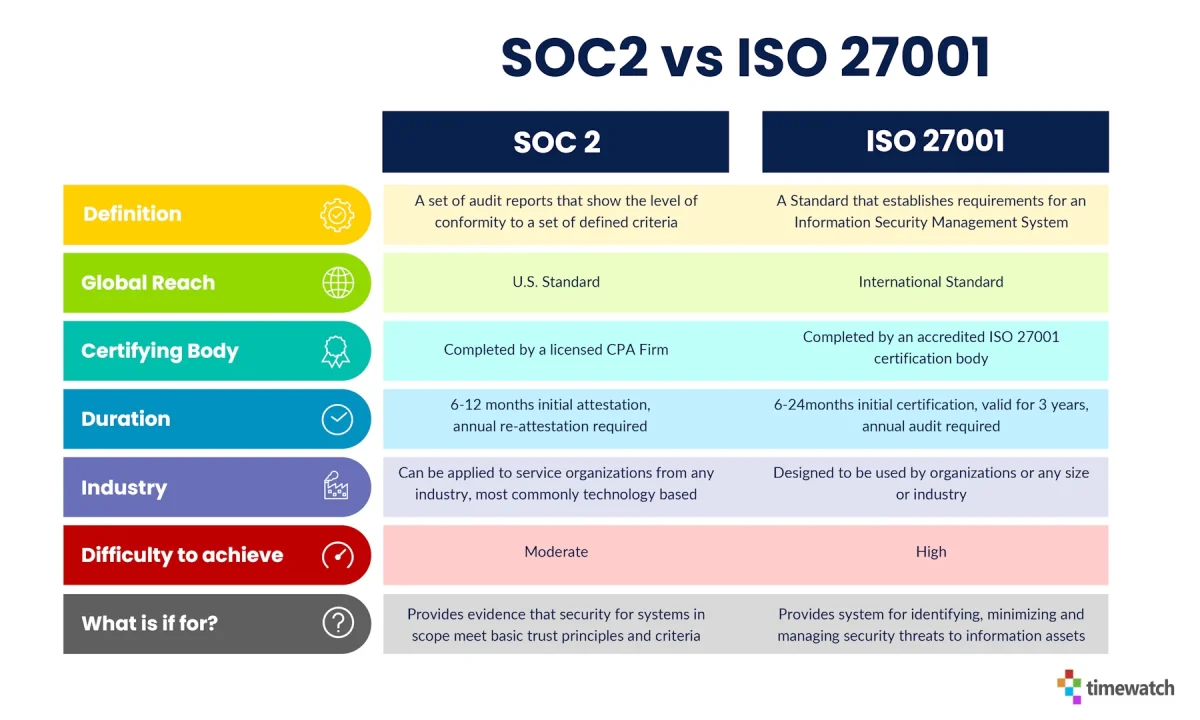
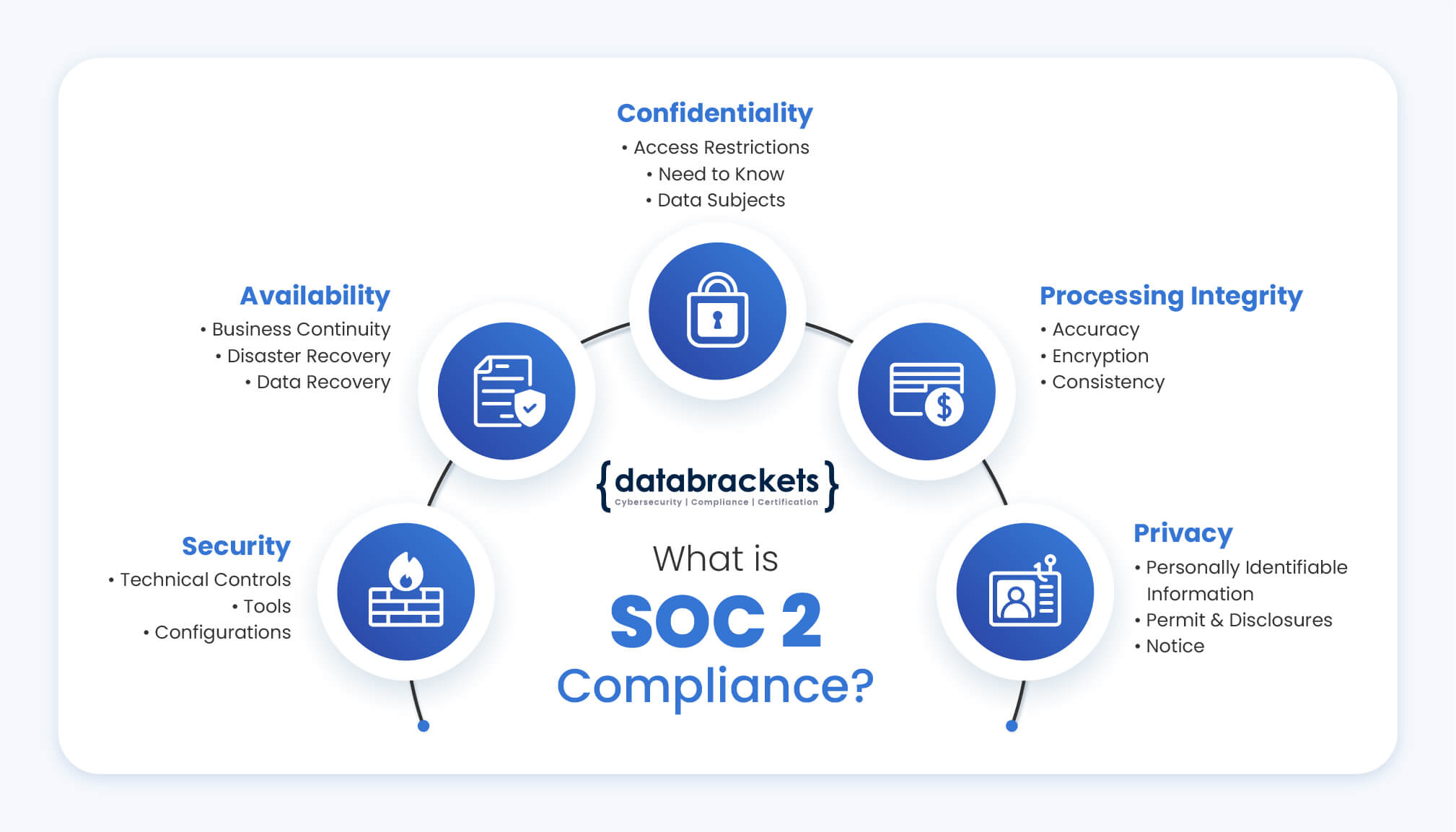
SOC 2 (Service Organization Control 2) is an auditing procedure developed by the American Institute of CPAs (AICPA) specifically for service providers storing customer data in the cloud. Unlike other frameworks that focus primarily on security, SOC 2 evaluates controls related to five trust service principles:
Security: Protection against unauthorized access (both physical and logical)
Availability: System availability for operation and use as committed or agreed
Processing Integrity: System processing is complete, valid, accurate, timely, and authorized
Confidentiality: Information designated as confidential is protected as committed or agreed
Privacy: Personal information is collected, used, retained, disclosed, and disposed of in conformity with commitments
SOC 2 comes in two report types:
Type I: Evaluates the design of security controls at a specific point in time
Type II: Assesses both the design and operating effectiveness of controls over a period (typically 6-12 months)
Why SOC 2 matters: SOC 2 compliance has become a de facto requirement for SaaS businesses and any organization handling customer data. Many enterprise customers won't even consider vendors without SOC 2 Type II attestation, making it essential for market access and competitive advantage.
The framework is particularly valuable because it's flexible—organizations can choose which trust principles to include based on their business operations and customer commitments. This adaptability allows for a compliance approach tailored to your specific risk profile.
ISO 27001: Information Security Management
ISO 27001 is an internationally recognized standard for information security management systems (ISMS). Unlike SOC 2, which is primarily focused on service organizations, ISO 27001 can be applied to any organization regardless of size or industry.
The standard provides a systematic approach to managing sensitive company information through a comprehensive risk management process. It encompasses people, processes, and technology, requiring organizations to:
Identify information security risks systematically
Assess the implications of those risks
Implement coordinated controls to address unacceptable risks
Adopt an overarching management process to ensure controls meet information security needs on an ongoing basis
ISO 27001 is structured around 14 control sets containing over 100 security controls:
Information security policies
Organization of information security
Human resources security
Asset management
Access control
Cryptography
Physical and environmental security
Operations security
Communications security
System acquisition, development, and maintenance
Supplier relationships
Information security incident management
Information security aspects of business continuity management
Compliance
Why ISO 27001 matters: For global organizations, ISO 27001 certification demonstrates a commitment to information security that transcends geographical boundaries. The certification process involves rigorous third-party audits, making it a powerful trust signal for customers, partners, and stakeholders worldwide.
The Health Insurance Portability and Accountability Act (HIPAA) establishes national standards for protecting sensitive patient health information from disclosure without patient consent. Unlike SOC 2 and ISO 27001, HIPAA is a regulatory requirement rather than a voluntary framework, applying specifically to:
Healthcare providers
Health plans
Healthcare clearinghouses
Business associates that handle protected health information (PHI)
HIPAA compliance revolves around three main rules:
Privacy Rule: Defines what constitutes PHI and establishes standards for patient rights and the use and disclosure of PHI
Security Rule: Specifies administrative, physical, and technical safeguards required to protect electronic PHI
Breach Notification Rule: Requires covered entities to notify affected individuals, the Department of Health and Human Services, and in some cases, the media, following a breach of unsecured PHI
Why HIPAA matters: Beyond the significant financial penalties for non-compliance (which can reach into the millions of dollars), HIPAA violations can severely damage reputation and patient trust. For technology companies serving healthcare clients, demonstrating HIPAA compliance is non-negotiable for market entry.
The framework is particularly challenging because it's principle-based rather than prescriptive, requiring organizations to determine appropriate security measures based on their unique risk profile and technology environment.
Comprehensive Audit Preparation Checklist
Preparing for compliance audits requires methodical planning and execution. This checklist covers the essential steps to ensure your organization is audit-ready across frameworks.
Data Mapping and Classification
Data mapping forms the foundation of effective compliance by providing visibility into what data you have, where it resides, how it flows through your systems, and who has access to it.
Step 1: Inventory data assets
Identify all systems containing sensitive data (databases, file shares, cloud storage, etc.)
Document data types stored in each system (PII, PHI, financial data, etc.)
Classify data according to sensitivity levels (public, internal, confidential, restricted)
Step 2: Map data flows
Document how data enters your environment
Track data movement between systems
Identify data transmission methods (APIs, file transfers, etc.)
Document data storage locations (on-premises, cloud, third-party services)
Step 3: Identify data owners and custodians
Assign ownership for each data type
Document who's responsible for data quality
Establish data stewardship responsibilities
Step 4: Document retention and disposal policies
Define how long different data types are retained
Document secure disposal procedures
Implement automated retention policies where possible
Pro tip: Create visual data flow diagrams that can be easily updated and shared with auditors. These diagrams serve as powerful evidence of your understanding of data movement within your organization.
Data mapping isn't a one-time exercise—it requires regular updates as systems and processes change. Organizations with mature compliance programs typically review their data maps quarterly and update them whenever significant changes occur to applications or infrastructure.
Access Control Reviews
Regular access reviews ensure the principle of least privilege is maintained across your environment, preventing unauthorized access to sensitive systems and data.
Step 1: Document access control policies
Define role-based access control (RBAC) framework
Document approval processes for access requests
Establish procedures for access modifications and revocations
Define privileged access management policies
Step 2: Inventory user accounts and access rights
Generate reports of all user accounts across systems
Document group memberships and permissions
Identify service accounts and their purposes
Map access rights to job functions
Step 3: Conduct formal access reviews
Establish review frequency (quarterly for critical systems)
Involve business owners in reviewing access appropriateness
Document review results and remediation actions
Implement workflow for manager approvals
Step 4: Monitor and enforce segregation of duties
Identify incompatible functions and responsibilities
Document segregation of duties matrices
Implement controls to prevent conflicts
Regularly test for segregation of duties violations
Access reviews should focus not just on current employees but also on third-party access, service accounts, and emergency access procedures.
For maximum effectiveness, implement a continuous monitoring approach rather than point-in-time reviews. Technologies like identity governance and administration (IGA) platforms can automate much of this process, reducing the manual burden while improving security posture.
Evidence Collection and Documentation
Evidence collection is where many organizations struggle during audits. A systematic approach to gathering and organizing evidence can significantly reduce audit stress and improve outcomes.
Step 1: Create an evidence repository
Establish a centralized, secure location for compliance evidence
Implement version control for all documentation
Define naming conventions for evidence files
Set up access controls for the evidence repository
Step 2: Map controls to evidence requirements
For each control, identify what evidence demonstrates effectiveness
Create an evidence collection calendar aligned with control frequencies
Assign responsibility for evidence collection to specific team members
Document evidence collection procedures
Step 3: Automate evidence collection where possible
Configure system-generated reports for regular controls
Implement screenshots or logs for manual processes
Set up automated alerts for missing or outdated evidence
Use compliance management tools to streamline collection
Step 4: Prepare evidence packages for auditors
Organize evidence by control objective
Create evidence narratives explaining context
Ensure all evidence is properly dated and authenticated
Conduct internal reviews of evidence quality and completeness
Best practice: Maintain a continuous evidence collection program rather than scrambling before audits. Organizations with mature compliance programs collect approximately 70% of required evidence automatically through system integrations and scheduled reports.
When documenting evidence, focus on quality over quantity. Well-organized, clearly labeled evidence that directly addresses control requirements is far more valuable than volumes of tangentially related documentation. Each piece of evidence should clearly demonstrate how a specific control is implemented and operating effectively.
Policy and Procedure Management
Comprehensive, up-to-date policies and procedures form the backbone of compliance programs across all frameworks. They document your organization's commitment to security and compliance while providing practical guidance for implementation.
Step 1: Develop a policy hierarchy
Create a structured framework for policies, standards, procedures, and guidelines
Define the scope and purpose of each document type
Establish ownership and approval processes
Document review and update frequencies
Step 2: Align policies with framework requirements
Map policies to specific requirements in each framework
Identify gaps in policy coverage
Develop or update policies to address gaps
Ensure consistent language and approach across policies
Step 3: Implement policy management processes
Establish formal review and approval workflows
Document version history and changes
Implement a policy distribution system
Track policy acknowledgments and training completion
Step 4: Measure policy effectiveness
Develop metrics for policy compliance
Conduct regular assessments of policy understanding
Document exceptions and deviations
Update policies based on operational feedback and incidents
Critical insight: Policies should be living documents that reflect actual practices, not aspirational statements. During audits, discrepancies between documented policies and actual practices are major red flags that often lead to findings or exceptions.
For multi-framework compliance, develop a unified policy set that addresses the most stringent requirements across all applicable frameworks. This approach reduces duplication and confusion while ensuring comprehensive coverage.
Automation Strategies for Continuous Compliance
Moving from point-in-time compliance to continuous compliance requires strategic automation. Here's how to implement automation that transforms compliance from a periodic burden into an ongoing, efficient process.
Automated Evidence Collection
Manual evidence collection is time-consuming and error-prone. Implementing automated evidence collection ensures consistent, timely documentation of control effectiveness.
Key automation opportunities:
System configuration monitoring
Implement tools that automatically capture and document system configurations
Generate alerts for unauthorized or unexpected changes
Maintain an audit trail of configuration modifications
Access control documentation
Automate user access reviews with workflow tools
Generate periodic reports of access changes
Document privileged access usage automatically
Implement continuous monitoring of segregation of duties
Security control evidence
Automate collection of security logs and events
Schedule regular vulnerability scan reports
Document patch management activities
Generate evidence of security monitoring activities
Process compliance documentation
Implement workflow tools that document approvals
Capture change management evidence automatically
Document incident response activities in real-time
Generate evidence of backup and recovery testing
Implementation approach: Start by identifying your most time-consuming evidence collection activities and prioritize automation based on effort vs. impact. Organizations typically find that automating just 20% of evidence collection activities can reduce compliance workload by over 50%.
Continuous Control Monitoring
Traditional compliance approaches rely on periodic testing of controls. Continuous control monitoring transforms this into an ongoing process that provides real-time visibility into control effectiveness.
Implementation strategies:
Define key control indicators (KCIs)
Identify measurable metrics for each critical control
Establish thresholds for acceptable performance
Document how KCIs demonstrate control effectiveness
Align KCIs with specific compliance requirements
Implement monitoring tools
Deploy security information and event management (SIEM) solutions
Utilize governance, risk, and compliance (GRC) platforms
Integrate monitoring with IT service management (ITSM) tools
Establish alerting and response procedures
Define alert thresholds for control failures
Document escalation procedures
Assign responsibility for alert investigation
Implement remediation workflows
Create compliance dashboards
Develop real-time visibility into control status
Implement trend analysis for control performance
Create executive-level reporting on compliance posture
Enable drill-down capabilities for detailed investigation
Integrated Compliance Management Platforms
For organizations managing multiple compliance frameworks, integrated platforms can dramatically reduce duplication of effort and improve overall compliance efficiency.
Key platform capabilities:
Control mapping and harmonization
Map controls across multiple frameworks
Identify common requirements and controls
Implement a unified control framework
Document framework-specific nuances
Centralized evidence repository
Store all compliance evidence in a single location
Implement tagging for multi-framework applicability
Enable evidence reuse across audits
Maintain version control and audit trails
Workflow automation
Automate evidence collection assignments
Implement review and approval workflows
Track compliance activities and deadlines
Automate reminder notifications
Risk assessment integration
Link controls to specific risks
Document risk acceptance decisions
Track risk mitigation activities
Provide risk-based reporting on compliance status
Selection criteria: When evaluating compliance management platforms, prioritize integration capabilities with your existing technology stack. The most effective platforms connect directly to your security tools, ITSM systems, and identity management solutions to automate evidence collection and control monitoring.
Framework-Specific Audit Preparation Tips
Each compliance framework has unique nuances and focus areas. Understanding these differences is crucial for effective audit preparation.
SOC 2 Audit Preparation
Focus areas for SOC 2:
Scope definition
Clearly define the system boundaries
Document in-scope services and components
Identify supporting infrastructure
Define the trust services criteria in scope
Control environment preparation
Document the organizational structure
Define roles and responsibilities
Implement risk assessment processes
Establish communication mechanisms
Evidence of continuous monitoring
Document ongoing control activities
Implement regular control testing
Maintain evidence of monitoring activities
Document remediation of identified issues
Subservice organization management
Identify all subservice organizations
Document complementary user entity controls
Implement vendor management processes
Obtain and review SOC reports from vendors
Auditor expectations: SOC 2 auditors typically look for evidence that controls have been consistently applied throughout the entire audit period. For Type II audits, be prepared to demonstrate at least 6 months of control operation, with evidence showing consistent implementation across the period.
Certification insights: ISO 27001 certification involves a two-stage audit process. Stage 1 focuses on documentation review and ISMS design, while Stage 2 assesses implementation and effectiveness. Organizations often underestimate the importance of Stage 1, but addressing any nonconformities identified during this phase is crucial for successful certification.
HIPAA Compliance Preparation
Focus areas for HIPAA:
PHI inventory and data flow
Identify all systems containing PHI
Document PHI data flows
Classify PHI by sensitivity
Map PHI access and use
Risk analysis and management
Conduct comprehensive risk analysis
Document threat identification
Implement risk management plans
Regularly update risk assessments
Breach response preparation
Develop breach notification procedures
Implement incident response processes
Conduct breach response training
Document breach risk assessments
Business associate management
Identify all business associates
Implement business associate agreements
Conduct business associate due diligence
Monitor business associate compliance
Regulatory focus: HIPAA audits and investigations often focus on documentation of risk analysis and risk management activities. The Office for Civil Rights (OCR) consistently cites inadequate risk analysis as a primary factor in enforcement actions, with penalties frequently exceeding $1 million for significant violations.
Building a Sustainable Compliance Program
Achieving compliance is just the beginning—maintaining it requires a sustainable, integrated approach that becomes part of your organizational DNA.
Compliance Program Governance
Effective governance ensures compliance activities receive appropriate oversight, resources, and visibility within the organization.
Key governance elements:
Compliance committee structure
Establish cross-functional representation
Define clear roles and responsibilities
Implement regular meeting cadence
Document decision-making authority
Executive sponsorship
Secure C-level commitment
Align compliance with business objectives
Ensure adequate resource allocation
Integrate compliance into strategic planning
Reporting and metrics
Develop meaningful compliance KPIs
Implement regular reporting cycles
Track remediation of compliance issues
Measure compliance program maturity
Continuous improvement processes
Conduct program effectiveness assessments
Implement lessons learned from audits
Benchmark against industry standards
Regularly update the compliance roadmap
Organizational approach: The most effective compliance programs operate as business enablers rather than control functions. By integrating compliance requirements into business processes and technology decisions from the start, organizations can reduce the friction often associated with compliance activities.
Compliance Training and Awareness
Even the most robust compliance controls can be undermined by lack of awareness or understanding. A comprehensive training program ensures all stakeholders understand their compliance responsibilities.
Training program components:
Role-based training
Develop specialized content for different roles
Focus on practical, job-specific requirements
Include hands-on exercises for key controls
Measure comprehension and retention
Awareness campaigns
Implement regular security awareness activities
Use multiple communication channels
Develop engaging, relevant content
Reinforce key compliance messages
Just-in-time training
Provide training at point of need
Integrate guidance into workflows
Develop searchable knowledge bases
Create quick reference guides for common tasks
Compliance champions
Identify and develop departmental champions
Provide advanced training for champions
Leverage champions for local support
Create champion communities of practice
Effectiveness metrics: Measure training effectiveness beyond completion rates. Organizations with mature compliance programs track behavior changes, policy violations, control exceptions, and audit findings to assess the real impact of their training initiatives.
Integrating Compliance with DevOps
For technology organizations, integrating compliance into the development lifecycle is essential for maintaining continuous compliance without impeding innovation.
Implementation strategies:
Compliance as code
Implement infrastructure as code with compliance guardrails
Develop automated compliance testing
Create code libraries for compliant components
Implement automated security scanning
Shift-left compliance
Integrate compliance requirements into design phase
Implement security and compliance reviews early
Develop compliance user stories
Create compliance acceptance criteria
Continuous compliance validation
Implement automated compliance checks in CI/CD
Develop compliance test suites
Create compliance dashboards for development teams
How do we prioritize between multiple compliance frameworks?
Start by conducting a gap analysis across all applicable frameworks to identify overlapping requirements. Focus first on controls that satisfy multiple frameworks simultaneously. Prioritize frameworks based on business impact, customer requirements, and regulatory risk. Develop a unified control framework that addresses the most stringent requirements across all applicable standards, then implement a phased approach starting with the most critical controls.
What's the most efficient way to prepare for our first compliance audit?
Begin with a readiness assessment conducted by an experienced consultant or auditor. This provides a realistic view of your current state and identifies critical gaps. Develop a remediation plan focused on high-risk areas first. Implement a centralized evidence repository early in the process to streamline documentation. Consider a "dry run" or readiness assessment with your auditor before the actual audit to identify any remaining issues.
How can we reduce the ongoing burden of compliance maintenance?
Automation is key to sustainable compliance. Invest in tools that automate evidence collection, control monitoring, and compliance reporting. Implement a unified control framework that addresses requirements across multiple standards to reduce duplication. Integrate compliance requirements into business processes and technology decisions from the start rather than retrofitting them later. Develop clear ownership and accountability for controls across the organization rather than centralizing all compliance activities.
How do we handle compliance for cloud environments?
Start by clearly understanding the shared responsibility model for your specific cloud providers. Document which compliance requirements are handled by the provider versus your organization. Leverage cloud-native security and compliance tools provided by major platforms. Implement cloud security posture management (CSPM) tools to continuously monitor cloud environments for compliance violations. Develop cloud-specific policies and procedures that address the unique risks and controls needed in cloud environments.
What are the most common audit findings and how can we avoid them?
The most common findings across frameworks include:
Inconsistent control implementation: Ensure controls are consistently applied across all systems and throughout the audit period.
Inadequate risk assessment: Conduct and document comprehensive risk assessments that consider all relevant threats and vulnerabilities.
Insufficient evidence: Implement automated evidence collection and maintain a centralized repository with clear documentation.
Incomplete vendor management: Develop robust processes for assessing, monitoring, and managing third-party risks.
Policy-practice gaps: Regularly review and update policies to ensure they reflect actual practices, and implement monitoring to ensure practices align with documented policies.
Conclusion: From Compliance Burden to Business Advantage
Effective compliance management isn't just about checking boxes—it's about building trust, demonstrating security diligence, and creating sustainable business practices. By implementing the strategies outlined in this guide, you can transform compliance from a periodic scramble into a continuous, integrated part of your operations.
The organizations that excel at compliance share common characteristics: they view compliance as a business enabler rather than a cost center, they leverage automation to reduce manual effort, and they integrate compliance requirements into their processes and technology decisions from the start.
As compliance requirements continue to evolve and multiply, this strategic approach will become increasingly valuable, providing a competitive advantage in markets where security and compliance are table stakes for business relationships.
Ready to transform your compliance program? Try Josys's IT compliance management solution to streamline your compliance efforts across frameworks, automate evidence collection, and maintain continuous compliance with minimal effort. Book a demo today to see how Josys can help you turn compliance challenges into business advantages.